Home › Brick Veneer Installation
Superior Masonry St Louis specializes in installing brick veneers for homes in St Louis, MO. We create brick veneer siding, accents, and facades that mimic full brick at a lighter weight. Our team focuses on proper backing, flashing, and joint work so your brick veneers stay secure and attractive for years.
Superior Masonry St. Louis provides professional brick veneers throughout St Louis, MO, Missouri and the surrounding area. Our licensed, insured crew delivers safe, clean, on-time work with a free estimate before anything begins. Call (314) 597-1728 or request your free quote.
Brick veneers that fit St. Louis homes and weather
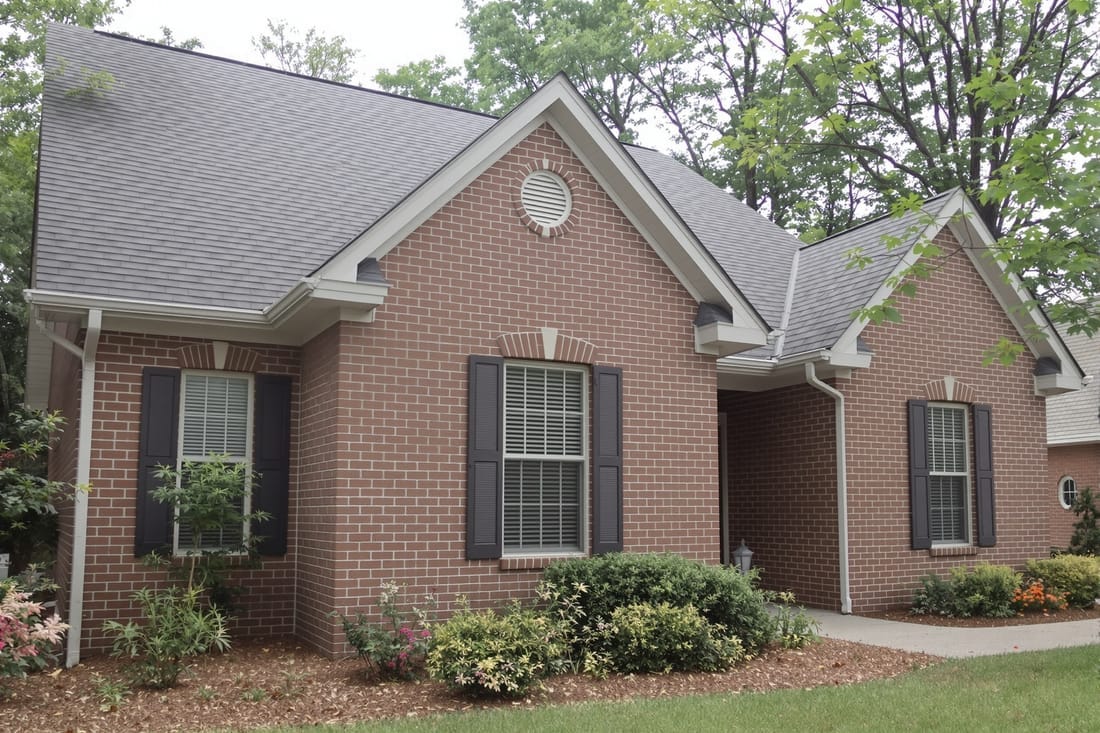
Brick veneers give you the look and feel of full brick without rebuilding walls, which is why so many St. Louis homeowners and small businesses choose them for updates and additions. Superior Masonry St. Louis focuses on brick veneer installation that matches existing brick, handles our freeze‑thaw cycles, and respects the character of each neighborhood from South City to West County.
Instead of a one‑size approach, we start by looking at your existing structure, the age of the building, and how the sun, wind, and water hit each wall. A north‑facing Brentwood exterior needs a different strategy than a sun‑baked façade in O’Fallon or a brick porch in Soulard. This local focus helps the veneer last longer, resist spalling, and keep its color over time.
How our brick veneer installation process works
Our work on brick veneers follows a clear, step‑by‑step process so you know what is happening on your property.
1) Site visit and evaluation: A Superior Masonry St. Louis estimator walks the property, checks siding or existing veneer, looks for moisture issues around windows and at the base of walls, and notes any movement or cracks in the structure. In St. Louis we pay special attention to downspout locations and grading because many older homes have settled or have damp basements.
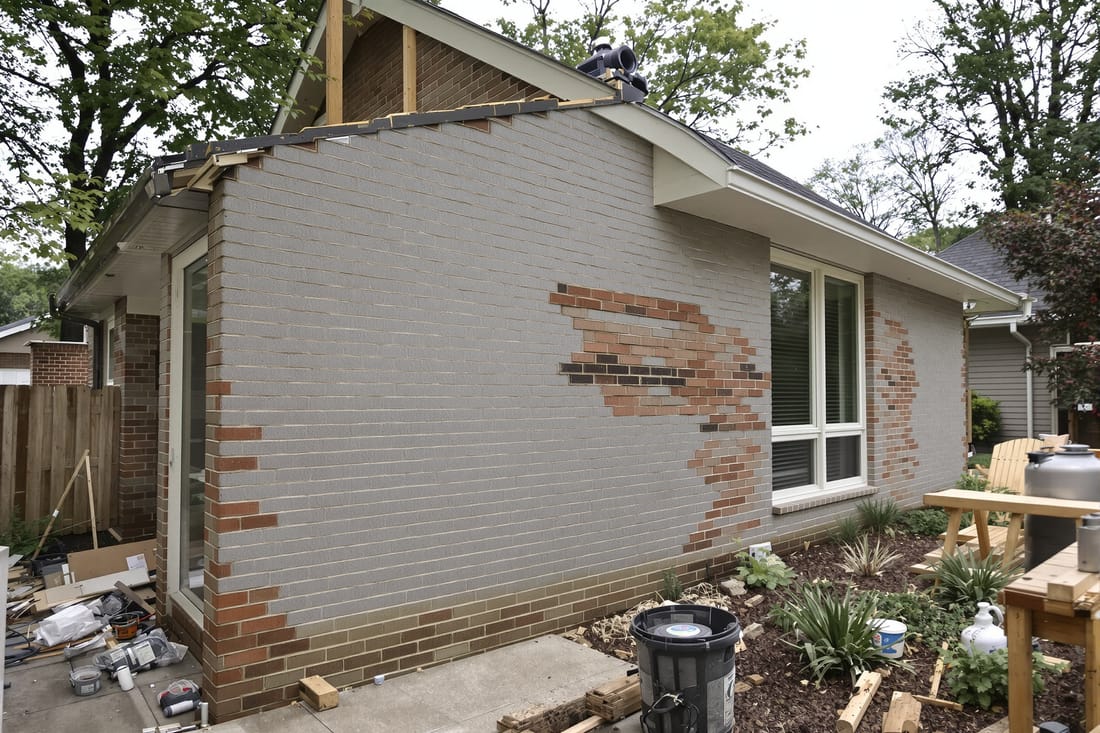
2) Surface preparation: We remove old siding, failing veneer, or loose mortar, then inspect and repair sheathing. Rotten wood is cut out and replaced so the veneer has a solid, stable backing. This step is crucial on homes in older city neighborhoods where multiple remodels have been layered over each other.
3) Weather and moisture control: We install an appropriate weather‑resistive barrier, flashing, and weep systems. For St. Louis, we often recommend a drainage plane behind the veneer because our mix of heavy rains and winter freezing can trap water if it has nowhere to go. Flashings are tied into existing windows and doors, not just surface taped.
4) Attachment system: Depending on the project, we use brick veneer ties over wood framing, a metal lath and mortar scratch coat for adhered thin brick, or anchors into concrete or masonry. Each attachment style is chosen based on structural needs, code requirements, and the weight of the selected brick veneer.
5) Laying the brick veneers: Our masons set the brick units, watching coursing, bond pattern, and joint spacing. We take extra time at corners, window returns, and transitions to avoid obvious cut pieces that make veneer look fake. Mortar joints are tooled only after partial set so they compact properly and shed water.
6) Cleanup, sealing, and walkthrough: We clean the face of the brick, manage mortar smears, and, where appropriate, apply a breathable sealer suited to St. Louis freeze‑thaw conditions. Finally, we walk the job with you, explain how the drainage joints and weeps work, and show you how to spot minor issues before they become bigger repairs.
Brick veneer options that match St. Louis architecture
Brick veneers are not just one material. There are three main categories we install across the St. Louis area, and each works a little differently.
Full‑size veneer brick: These are standard brick units used as a non‑structural skin, usually tied back to a wood or metal stud wall. They give the most traditional look and depth, with shadows similar to historic brick homes in Lafayette Square and Tower Grove. This option weighs more and needs a proper ledge or angle iron support.
Thin brick veneer: These are real clay bricks cut thinner, often 1/2 to 1 inch thick, and adhered to a prepared substrate. Thin brick works well where we do not have the space or support for full brick, such as on interior accent walls, front stoops that were framed without a brick ledge, or commercial interiors in older downtown buildings.
Manufactured or cast stone‑look veneer: Some clients want a mixed material façade, with brick veneer on the main wall and a stone or cast stone look on columns or entryways. We coordinate these so expansion joints, thickness transitions, and color changes look intentional, not like afterthoughts. In St. Charles County subdivisions this is a common request where HOAs allow combinations but expect certain tones and profiles.
We also help you choose colors and textures that blend into the area. A bright orange brick that might look fine in another region can clash with the deeper reds and browns common in St. Louis clay brick. We bring sample boards to your site so you can see how the veneer looks in your actual light conditions and against your roof and trim colors.
What affects the cost of brick veneers in St. Louis
Pricing for brick veneer installation is driven by several specific factors, not just square footage. Knowing these ahead of time helps you plan and compare estimates fairly.
Access and height: A single‑story front elevation in Florissant is much simpler than a three‑story rear wall in a tight South City alley. More staging, scaffolding, and safety measures add time and cost.
Condition of existing walls: If we find rotten sheathing, missing flashing, or previous improper veneer installations, we will recommend repairs before new brick goes on. These issues are common in older homes where previous contractors skipped drainage details. Fixing them protects your investment in the new veneer.
Brick and mortar selections: Specialty brick veneers, glazed faces, or custom blends cost more than standard stock colors. Likewise, custom mortar tints, raked joints, or very thin joints require more labor. In historic districts, matching existing brick and mortar can raise material costs slightly but prevents a patchwork appearance.
Details and layout: Arched openings, soldier courses, insets, and patterns like herringbone or basketweave take more time. We often see these features on front porches and over garage doors in St. Louis County. When we quote, we break out these details so you can see exactly what you are paying for and decide which features matter most for your project.
Season and schedule: Winter work may require tenting and heating, which affects cost. St. Louis winters are unpredictable, so we plan mortar mixes and working hours to stay within proper temperature ranges. If your project must be rushed for a sale or closing, additional crew mobilizations can also affect price.
Solving common brick veneer problems in our climate
St. Louis weather is rough on exterior materials. Superior Masonry St. Louis approaches brick veneer installation with local problem areas in mind so you avoid common failures.
Freeze‑thaw damage and spalling: Water that gets behind improperly detailed veneer can freeze and break the face of the brick. We avoid this by installing drainage gaps, weep vents, and using compatible mortar. We also pay attention to where snow piles against lower walls and recommend slight grading or splash block changes if needed.
Efflorescence and staining: White salts or dark streaks can show up on poorly detailed veneers. We limit this risk with correct flashing, drip edges at window heads, and by avoiding over‑wetting bricks during installation. If your building already has efflorescence in some areas, we look for its cause first so your new veneer does not repeat the same issue.
Cracking and movement: St. Louis soil movement, especially in areas with expansive clay like parts of St. Charles and North County, can stress veneers. We design expansion joints and use flexible sealants in planned locations so the wall can move slightly without random cracking. We also check that downspouts are not dumping water against foundations and causing differential settlement.
Improper previous work: We frequently see veneers that were glued directly to sheathing without adequate support or that lack weep systems. When we encounter this on a remodel, we explain options in detail, from partial removal and correction to full replacement, so you understand the long‑term implications of each choice.
Interior and accent uses for brick veneers
Brick veneers are not limited to exterior walls. In many St. Louis homes and small businesses, they create warmth and character indoors without overloading floors or needing structural reinforcement.
Fireplace surrounds and feature walls: Thin brick veneers are a popular way to transform a dated drywall fireplace wall into a classic focal point. We ensure the substrate and clearances comply with local codes and manufacturer guidelines, especially when gas inserts or wood stoves are involved.
Kitchens, bars, and basements: In city condos and finished basements, veneer brick can mimic traditional exposed brick, which fits the feel of many St. Louis neighborhoods. We plan outlets, switches, and cabinet clearances so the finished wall is both attractive and functional. Moisture control is especially important in basements, so we incorporate vapor and drainage considerations if needed.
Commercial interiors: Restaurants, breweries, and offices in the St. Louis area often request thin brick veneers to create a historic or industrial look. We coordinate with other trades on schedule, protect adjacent finishes, and work after hours when necessary so businesses can stay open during the upgrade.
Why work with Superior Masonry St. Louis for brick veneers
As a local company, we see our brick veneer work all over town every day, which is part of why we are particular about doing it correctly. Our crews live in the same communities we serve, and many of our masons have worked on both new construction and restoration of historic St. Louis brick, experience that directly benefits veneer projects.
We are familiar with local codes and inspection practices in municipalities across the metro area and we handle necessary masonry‑related permits for exterior veneer changes where required. When a project is in a historic district or an HOA‑controlled subdivision, we can provide samples and specification sheets to help with approvals.
From the first site visit to the final cleanup, you work with a single point of contact from Superior Masonry St. Louis who tracks design choices, schedule, and any field changes. We provide written scopes that explain substrate preparation, attachment method, drainage detailing, and material selections so you know exactly how your brick veneer will be built, not just how it will look.
If you are planning brick veneers for your home or business in St. Louis, MO, we invite you to schedule an on‑site consultation. We will walk the property, discuss realistic options for your structure and budget, and outline a detailed plan that fits our climate and your long‑term goals.