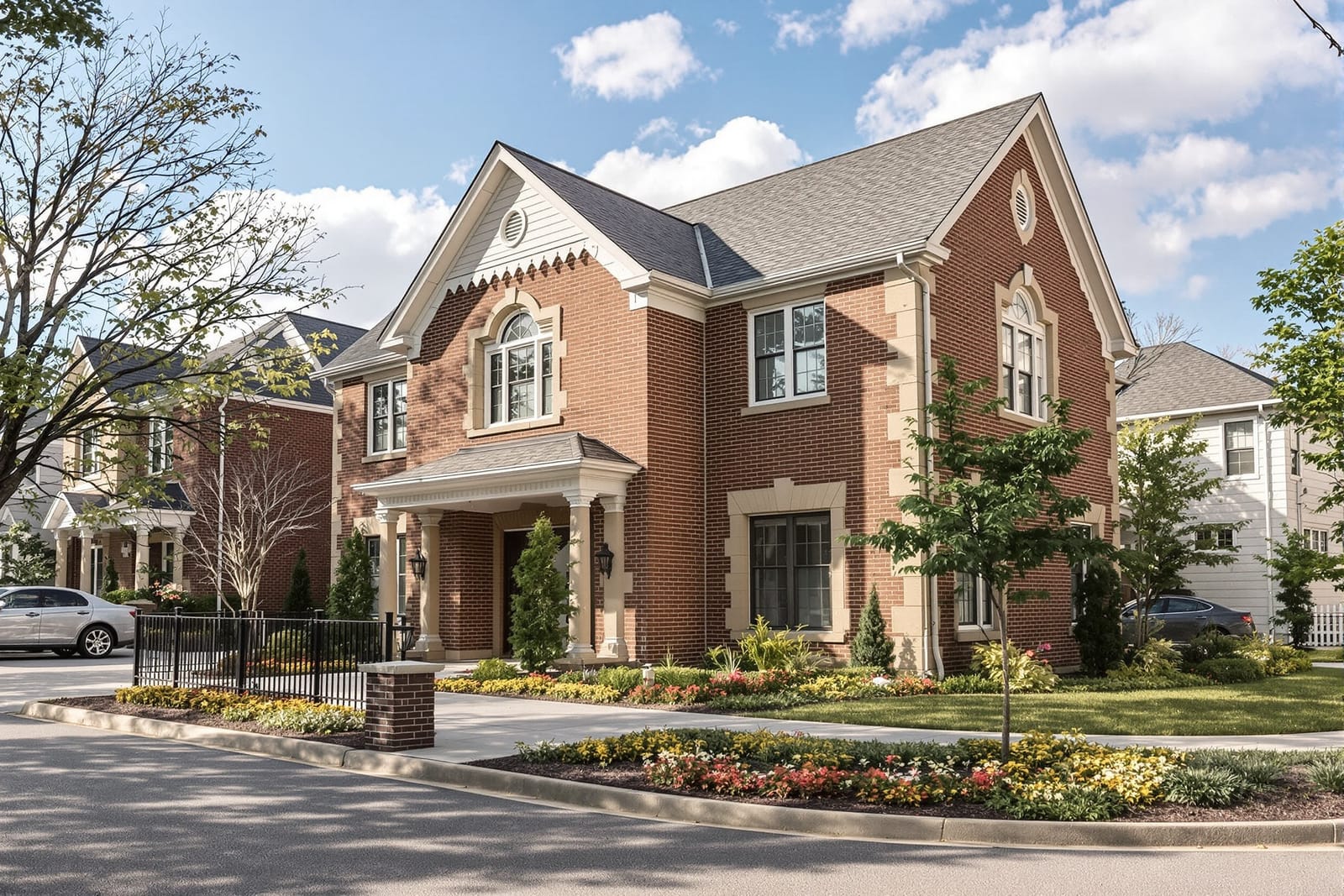
Home › Masonry Restoration and Historic Preservation
Superior Masonry St Louis performs historic masonry restoration for landmark and older buildings in St Louis, MO. We repair and replicate brick and stone details, match historic mortars, and stabilize aging facades. Our team balances preservation needs with modern performance and safety requirements.
Superior Masonry St. Louis provides professional historic masonry restoration throughout St Louis, MO, Missouri and the surrounding area. Our licensed, insured crew delivers safe, clean, on-time work with a free estimate before anything begins. Call (314) 597-1728 or request your free quote.
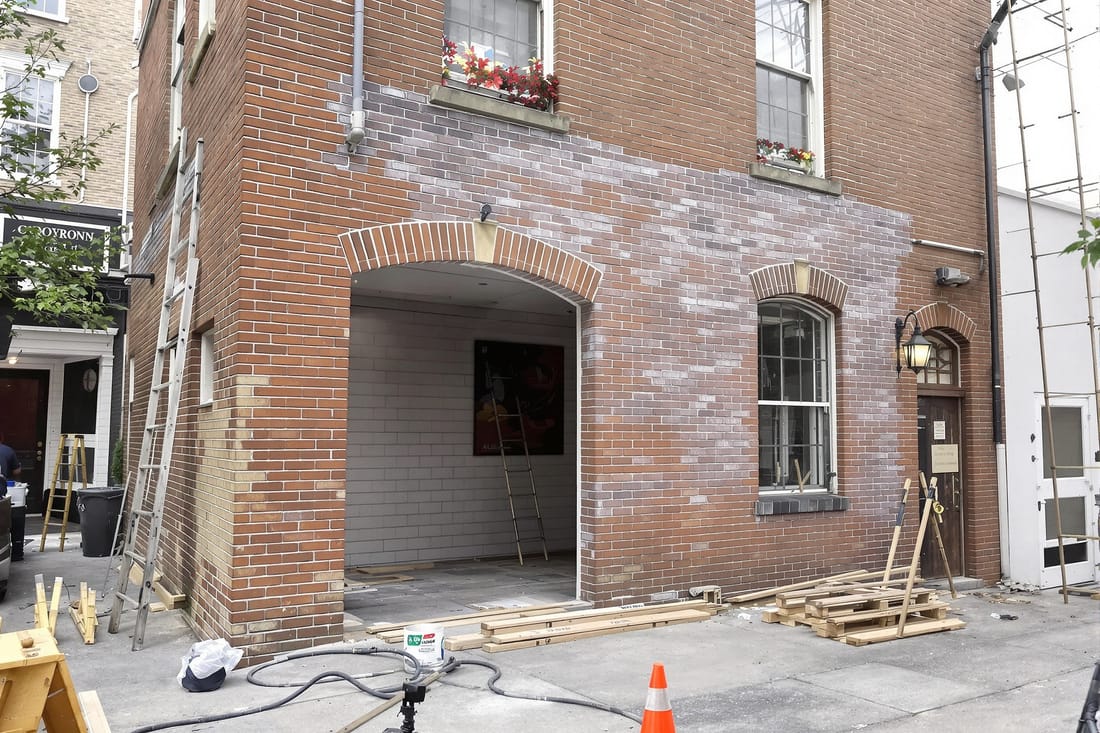
Masonry restoration in real St. Louis conditions
Historic masonry restoration in St. Louis is not a cosmetic clean up. Old brick and stone here have taken decades of freeze-thaw cycles, river humidity, and coal soot. Superior Masonry St. Louis focuses on fixing what age and climate have actually done to your building, not just making it look newer in photos.
On older city homes in Tower Grove, Lafayette Square, Soulard, and downtown loft conversions, we see the same pattern: spalled brick faces on the south and west walls, open or washed-out mortar joints, hairline step cracking above windows, and bricks that were sealed with the wrong coatings in past repairs. Our approach to historic masonry restoration starts with figuring out what can be saved, what must be replaced, and how to keep the repair compatible with 100-year-old materials.
We work on solid brick walls, multi-wythe masonry, stone foundations, clay tile details, limestone sills, and structural arches. Each one behaves differently in St. Louis moisture and temperature swings, so the repair methods differ. Superior Masonry St. Louis does not treat a 1890s brick rowhouse the same as a 1950s commercial block or a church built with local limestone. The goal is simple: stop active deterioration, restore the original visual character, and keep the wall breathing the way it was designed to when it was first built.
Evaluation, documentation, and planning
For historic masonry restoration, the first serious step is a thorough evaluation, not a quick quote from the street. On most projects in St. Louis, Superior Masonry St. Louis starts with a close inspection from ladders or lift, checking all elevations, parapets, chimneys, and transitions between old and newer masonry.
We look for bulging walls, open joints, soft or powdery mortar, previous hard-cement patches, efflorescence, biological growth, and places where water is getting into the building. We also note brick size, color range, firing variations, and original joint profiles. On historic work in neighborhoods like Benton Park or Shaw, we often see two or three different brick batches or repair eras on the same facade. That matters for how we source replacement units and match mortar.
If a building is listed or contributing in a historic district, we photograph existing conditions and document joint profiles, bond patterns, and decorative elements like corbelling and arches. This record guides the work and keeps future repairs consistent. When engineers or architects are involved, we coordinate with their drawings and reports. For some older stone churches and schools, we may recommend limited test removals or probes to see the condition of backup masonry, embedded steel, and anchors.
From there we build a scope that separates urgent structural repairs from longer term restoration items. Owners see line items like repointing square footage by elevation, brick replacement counts, crack stitching locations, and sealant replacement at stone interfaces. This level of detail is what controls cost and avoids surprise extras halfway through the job.
How Superior Masonry St. Louis performs historic masonry restoration
Once scope and access are set, we stage the job with appropriate scaffolding or lift equipment and protection for sidewalks, landscaping, and neighboring properties. On busy streets in the Central West End or commercial corridors, we coordinate timing and protection so pedestrians and tenants can keep moving safely.
For repointing, we start by removing failed mortar to the correct depth, typically 2 to 2.5 times the joint width, using small grinders with vacuum attachments or hand chisels, depending on how fragile the brick or stone is. We avoid smashing or undercutting arrises. Joints are cleaned of dust, lightly dampened, then packed in layers with custom-matched repair mortar. Joints are compacted tightly so there are no voids, then tooled to match the original profile once the mortar reaches the right stiffness.
Brick and stone replacement is targeted. We do not rip out original units unless they are structurally unsound or face loss is too severe. Superior Masonry St. Louis maintains relationships with local salvage yards and regional brick makers so we can source units that match the size and character of St. Louis brick, which is typically softer and varies in color from orange-red to deep brown. For limestone and sandstone details, we field measure each piece, then work with stone suppliers and carvers to replicate sills, caps, and ornament as needed.
Where cracks run through multiple courses, we may use concealed stitching or pinning systems, installing stainless steel helical bars or pins in pre-cut slots, then covering them with matching mortar. On parapets and chimneys, we reset loose coping stones, replace deteriorated backing, and install proper through-wall flashing and weeps, which many older buildings simply never had.
Cleaning is kept conservative to protect the patina and fired surface of historic brick. Instead of harsh sandblasting or high-pressure washing, we typically use low-pressure water and selected detergents or restoration cleaners, tested in small patches first. The goal is to remove pollutants, biological growth, and failing coatings without erasing the age and character of the masonry.
Mortar and material matching for historic buildings
The single most important technical piece of historic masonry restoration is correct mortar matching. Many older St. Louis buildings were laid up with lime-rich, relatively soft mortar. Repointing them with a hard Portland-heavy mix can trap moisture in the brick units and cause faces to pop off in just a few winters.
Superior Masonry St. Louis performs on-site and laboratory-based mortar analysis as needed. We examine color, texture, sand gradation and color, and hardness. On more sensitive projects, we send samples for petrographic analysis to determine binder type, approximate ratios, and any special aggregates. From there we design a repair mortar that is slightly weaker and more vapor permeable than the surrounding brick or stone, so if anything moves or freezes, the mortar is what sacrifices, not the historic units.
Color and texture are equally important. In a city with as many 19th and early 20th century facades as St. Louis, a poorly matched mortar band on a front elevation stands out from blocks away. We build sample panels on inconspicuous sections, adjusting pigment, sand blend, and tooling technique until the new joints disappear at normal viewing distance. These samples are reviewed with owners and, where applicable, historic review boards before we proceed across large areas.
For patching stone, we use mineral-based repair mortars or dutchman repairs (inserting a new piece of stone into a carefully cut recess of the old) rather than generic cement patching that will crack and discolor. Metal elements that contact masonry, such as anchors, lintels, and ties, are replaced with galvanized or stainless steel to extend service life and reduce staining and corrosion. Sealants at masonry-to-metal and masonry-to-glass transitions are selected for compatibility with both the masonry substrate and anticipated movement.
Costs, timing, and what affects your budget
Historic masonry restoration pricing in St. Louis is driven by access, scope detail, and how precise the historic matching needs to be. Work on a two-story brick house with open yard access in South City is simply easier and less expensive per square foot than working on a five-story corner building that needs full scaffolding and street permits in downtown.
Major cost factors include: total square footage of repointing, location and height of work areas, amount of brick and stone replacement needed, complexity of decorative features, and whether structural repairs like crack stitching or rebuilding bulged areas are required. Chimney, parapet, and cornice work often costs more per linear foot because access is trickier and detailing is more involved.
Testing and mockups add some upfront cost but usually save money by preventing large-scale mistakes. For example, if a cleaner etches brick or a mortar color is off, discovering that on a 10 square foot test area is far cheaper than on a whole facade. Projects that involve coordination with architects, historic consultants, or grant funding can have additional documentation and meeting requirements, which we factor into timelines and pricing.
Timing depends heavily on weather. In St. Louis, we avoid repointing and exterior masonry work during hard freezes or when temperatures will drop below manufacturer limits for extended periods. Spring and fall are typically optimal, with summer work planned around heat and direct sun exposure. Superior Masonry St. Louis schedules work to allow proper cure times for mortar and cleaning agents so the finished product is durable, not rushed.
We provide detailed written estimates that explain quantities, unit prices, and any allowances for unknowns behind the brick or stone. Where needed, we include alternates, such as a base scope of critical repairs and an optional scope for additional aesthetic restoration, so owners can prioritize spending while still protecting the structure.
What St. Louis owners should know before hiring a masonry restoration contractor
Historic masonry restoration is specialized work. When you interview contractors in St. Louis, ask specific questions about experience with buildings of your age and material type, not just general brick repair. Superior Masonry St. Louis encourages owners to ask for past project addresses they can walk or drive by, especially in similar neighborhoods and districts.
Confirm that the contractor understands low-strength, high-permeability mortars and can explain why using the hardest possible mix is not correct for older brick. Ask how they remove old mortar, what depth they target, and how they control dust and protect adjacent surfaces. For cleaning, be wary of anyone who proposes high-pressure washing or sandblasting as a default solution on historic facades.
Insurance and licensing should be up to date, and the contractor should be comfortable arranging lifts, scaffolding inspections, and any required city permits. On busier streets or around schools and churches, make sure they have a plan for pedestrian protection and site cleanliness. For occupied buildings, ask how they will manage noise, dust, and access for residents or tenants.
A solid contractor will provide a clear scope, written warranty terms, and realistic start and completion windows that account for St. Louis weather. They will talk openly about what can be preserved, what must be replaced, and where compromises might be needed between budget and perfect historic replication. Superior Masonry St. Louis is available to walk your building with you, explain existing conditions in plain language, and outline a restoration plan that respects both the structure and your budget, so you can keep your property solid and historically accurate for the long term.