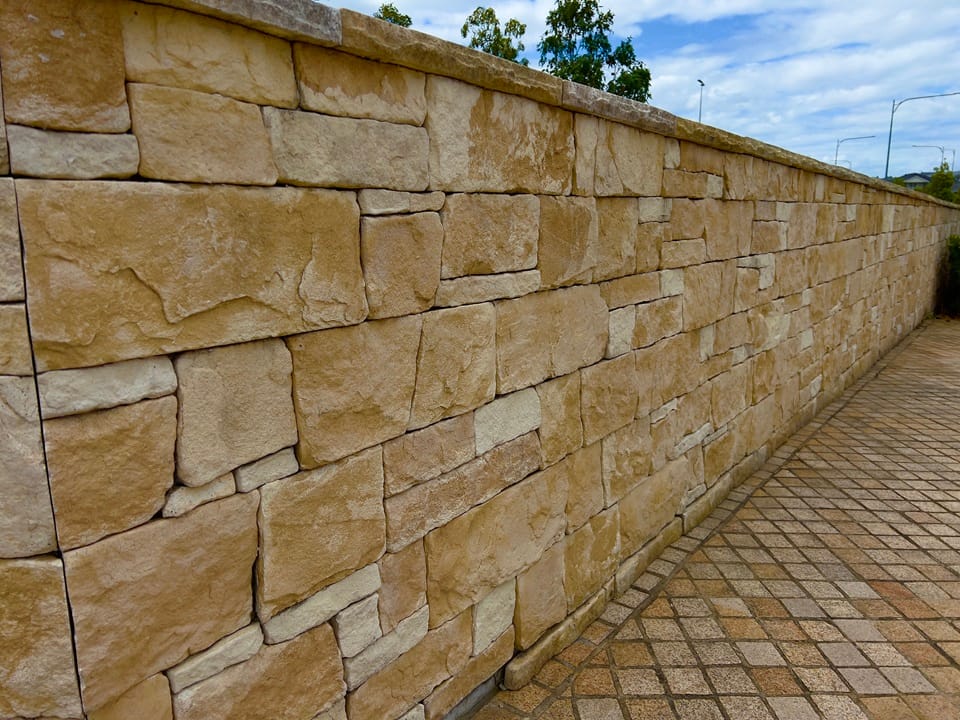
Superior Masonry St Louis delivers custom stone masonry for homes in St Louis, MO. We install and repair natural stone walls, facades, and accents that add value and character. Our craftsmen focus on solid structure, clean joints, and stone layouts that complement your property.
Superior Masonry St. Louis provides professional stone masonry throughout St Louis, MO, Missouri and the surrounding area. Our licensed, insured crew delivers safe, clean, on-time work with a free estimate before anything begins. Call (314) 597-1728 or request your free quote.
Stone Masonry Services in St Louis That Are Built to Last
Stone masonry is not a decorative extra. Done right, it is a structural system that has to handle St Louis freeze-thaw cycles, heavy summer rain, and our clay-heavy soils. Superior Masonry St. Louis focuses on stone projects that are engineered for this climate first, appearance second.
When you contact us, we start with what you actually need the stone to do. That might be holding back a slope in South County, carrying foot traffic on a patio in Maplewood, or dressing up a brick facade in the Central West End. We look at drainage, soil conditions, existing foundations, and how water currently moves around your property. For older city homes, we also pay attention to how new stone work will tie into existing limestone foundations or brick masonry so you do not create new cracks or water paths.
From there we discuss natural stone vs manufactured stone, full-bed vs thin veneer, and whether you need a structural wall, a veneer, or a simple landscape feature. You get clear recommendations with pros and cons, not just a catalog of pretty photos.
Types of Stone Masonry Projects We Handle
Superior Masonry St. Louis handles both structural and veneer stone work, interior and exterior. Typical residential projects in the St Louis area include:
• Retaining walls near driveways or along property lines, often to deal with sloped lots common in south city and older suburbs.
• Stone steps and entries that tie into existing brick or concrete stoops.
• Outdoor kitchens, fire pits, and patios using flagstone or pavers with stone borders or seat walls.
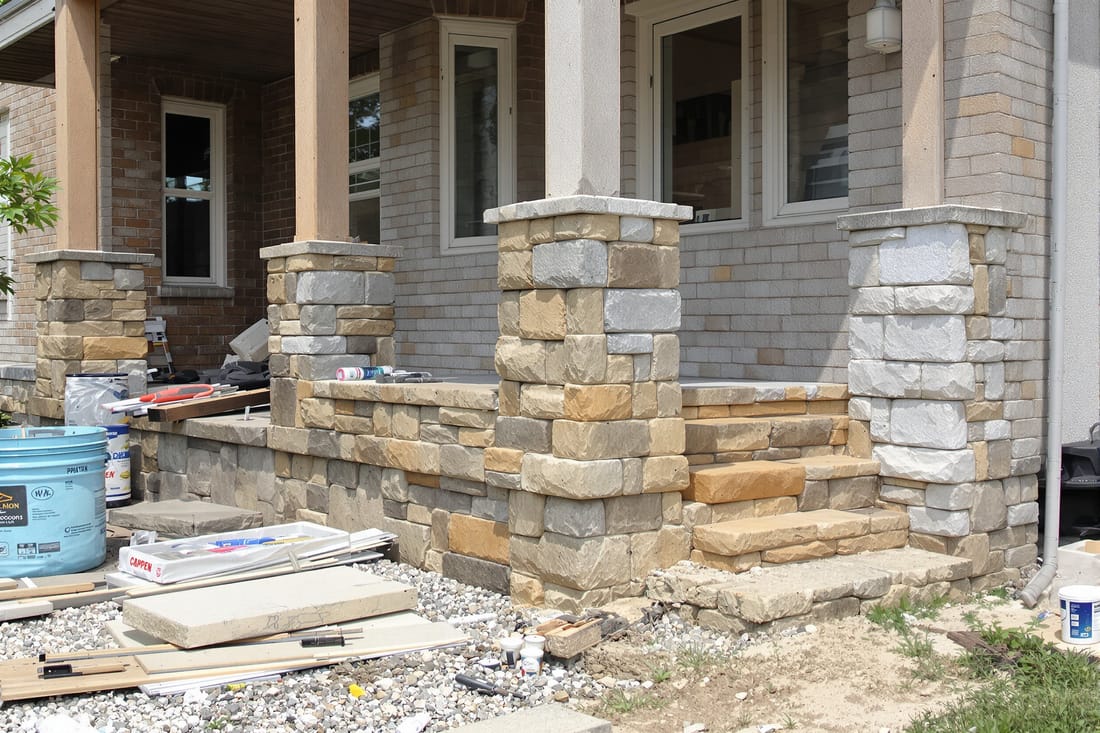
• Stone veneer on front elevations, porch bases, or chimney chases to update 1960s and 1970s homes.
• Repairs to older limestone foundations, stone porch piers, and crumbling garden walls.
For structural walls we typically use full-depth stone with a concrete or compacted aggregate base, weep holes, and backfill that allows water to drain. For veneers, we install a proper moisture barrier, metal lath where needed, and a mortar bed that matches the substrate. Interior work, such as fireplaces or accent walls, is built with weight and ventilation in mind so you do not stress old floor framing or trap moisture behind the stone.
By focusing on how each piece of stone interacts with drainage, soil, and existing structure, we avoid the typical problems you see across St Louis: bulging retaining walls, spalling stone faces, and mortar joints that fail within a few years.
How We Actually Build a Stone Masonry Project
Our process is straightforward. First, we visit the property, measure, and ask how you plan to use the space. If you want a seating wall around a patio in Kirkwood, that height, thickness, and footing are different from a low garden wall in Tower Grove that only needs to edge a bed. We photograph existing issues, such as standing water or cracks in nearby concrete.
Next, we help you select stone. For natural stone, local and regional options include limestone, fieldstone, and some granites and sandstones, typically cut as ledgestone, ashlar, or irregular flagstone. Manufactured stone veneer is available in consistent shapes and colors and is useful when weight or budget are concerns. We will tell you where a cheaper veneer makes sense and where you really need full-depth stone.
Once materials are chosen, we prepare the base. For retaining walls and steps, this means excavation, compacting a crushed stone base, and, when necessary, pouring a reinforced concrete footing below frost line to handle St Louis winters. For veneers, we address the substrate: cleaning brick or concrete, adding a moisture barrier and metal lath on framed walls, and making sure there is a solid surface for mortar to bond to.
Stone is then laid in lifts or courses. We stagger joints, avoid long vertical seams, and break up patterns so the wall looks natural but is structurally tied together. Mortar joints are packed fully so there are no hollow pockets that collect water. As we build, we check for level, plumb, and proper batter on retaining walls. Finally, we tool the joints for the finish you select and clean the stone without using harsh acids that can damage softer materials like limestone.
What Affects the Cost of Stone Masonry in St Louis
Pricing is not one number per square foot. Several specific factors drive the cost of stone masonry in the St Louis area.
Access is a big one. If we can get a skid steer or mini-excavator to the work area, excavation and base prep are faster and cheaper. Tight city backyards that require carrying stone by hand or using smaller equipment will cost more in labor. The type of stone matters too. Natural stone, especially thicker full-depth pieces, costs more per ton than most manufactured veneer and usually requires more time to shape and fit.
Project type and height also affect price. A 4-foot retaining wall that holds back a hill in Webster Groves needs a serious footing, drainage system, and possibly geogrid reinforcement, all of which add material and labor. A knee-height sitting wall with no soil behind it is simpler and less costly. Curved walls or intricate patterns such as dry-stacked looks and blended colors take more layout and setting time than straight, uniform courses.
Site conditions in St Louis often add work. Clay soils can require deeper base preparation and better drainage. If we are tying into older brick or limestone, we may need to grind out loose mortar or stabilize nearby sections first. We spell these items out in writing so you understand where your money is going instead of getting a vague lump sum with no explanation.
Stone Masonry for St Louis Weather and Soil
St Louis has real seasons, and stone work has to be built around them. Freeze-thaw cycles, heavy storms, and our clay base can cause movement if the wall or patio is not supported and drained correctly.
For retaining walls and steps, we design to move water away from the stone. That means a compacted base, drain tile behind taller walls, free-draining gravel backfill, and weep holes or drainage slots where needed. Without these details, water sits behind the wall, freezes in winter, and pushes the stone out over time. We see this often in older neighborhoods where landscape walls were built as afterthoughts.
Mortar choice matters as well. Too hard a mortar on softer stone like limestone can cause the stone to crack before the joint fails. Too soft a mix and joints wash out quickly under our heavy spring storms. Superior Masonry St. Louis matches mortar strength to the type of stone and to any existing historic masonry when doing repairs so the assembly works as a system.
Timing the work helps. The most reliable months for exterior stone masonry in St Louis are typically April through early June and September through October. In mid-summer, we monitor rapid drying that can weaken mortar, and in winter, we avoid outdoor work if temperatures are too low for proper curing. If a project must be done during colder months, we use cold-weather masonry practices, such as tenting and controlled curing, and we explain any added cost upfront.
What to Ask Before You Hire a Stone Mason in St Louis
Before you sign any contract, there are specific questions worth asking any stone mason in St Louis, including Superior Masonry St. Louis.
Ask how they handle drainage behind walls and under patios. If the answer is simply "we pour concrete" or "we stack the stone," that is a warning sign. You should hear terms like base compaction, drain tile, weep holes, and gravel backfill. Ask what type of stone and mortar they recommend for your project and why, not just what is in stock at a supplier.
Request local examples of similar work that are at least a few years old. Freshly built stone looks good from almost anyone. You want to see how their work has handled a few St Louis winters. Pay attention to how evenly joints are packed, whether walls have bulged, and how the stone ties into nearby structures.
Finally, ask for a written scope that lists base prep, drainage details, stone type and thickness, mortar type, and any tie-ins to existing masonry. Superior Masonry St. Louis provides this so you can compare estimates accurately instead of choosing blindly on price. Clear scope and details up front reduce surprises later and help ensure your stone masonry holds up and looks right for the long term.